How Technology Is Changing the Way Students Learn
posted on Oct 23, 2026
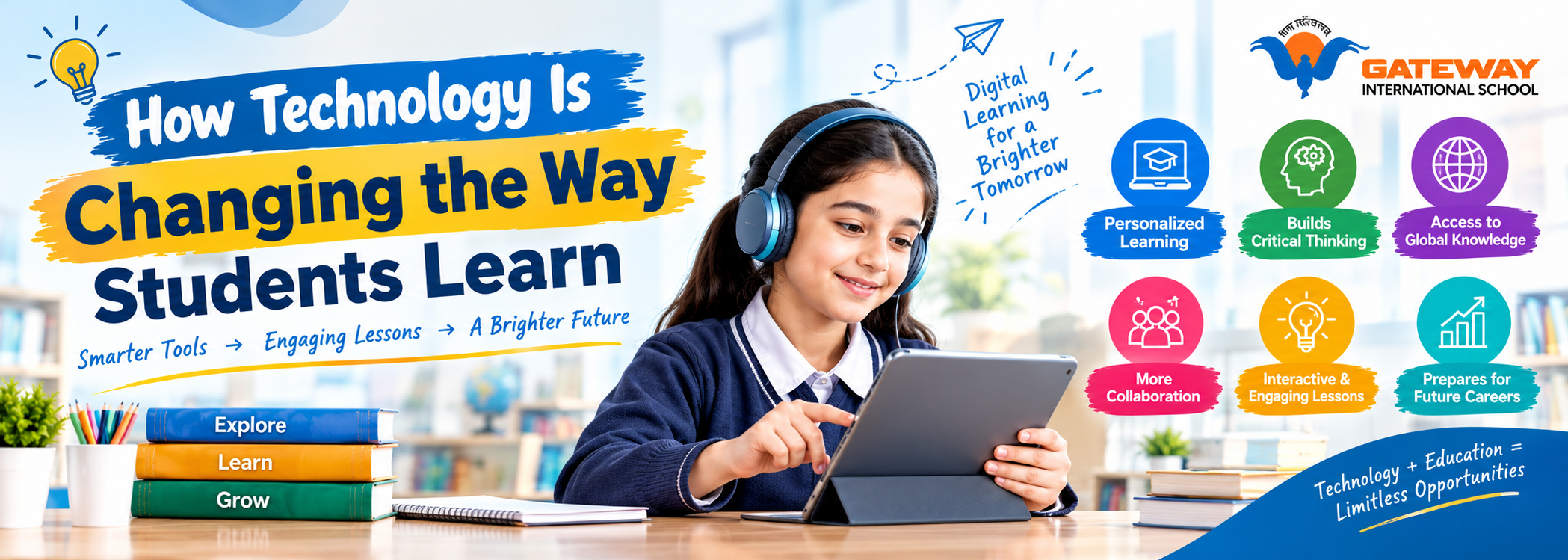
Technology has transformed almost every aspect of our lives, and education is no exception. From interactive smart classrooms to online learning platforms, digital tools are changing how students understand concepts, develop skills, and prepare for the future. Today, Students Learning is no longer limited to textbooks and traditional classroom lectures. Students can explore new ideas, access educational resources, and learn at their own pace with the help of technology.
Modern schools are embracing these changes to create engaging, interactive, and student-centered learning environments. At Gateway International School Sonipat, the growing importance of innovative education highlights the need to prepare students for a technology-driven world through strong academic foundations and essential future-ready skills.
1. Making Classroom Learning More Interactive
Traditional teaching methods often rely on textbooks, lectures, and written assignments. Although these methods remain important, technology adds new opportunities to make lessons more engaging.
Smart boards, educational videos, digital presentations, and interactive quizzes help teachers explain complex concepts in simpler ways. For example, students studying the solar system can explore visual representations of planets instead of relying only on textbook illustrations.
These interactive experiences can improve student engagement, encourage curiosity, and make learning more enjoyable.
2. Personalized Learning for Every Student
Every student has a unique learning style, pace, and set of academic strengths. Technology helps teachers address these individual differences more effectively.
Digital learning platforms can provide practice exercises, instant feedback, and additional resources based on a student's progress. Students who need more time to understand a topic can revisit lessons, while those who grasp concepts quickly can explore advanced material.
This personalized approach makes Students Learning more flexible and encourages children to become independent learners.
3. Easy Access to Educational Resources
Technology has made educational information more accessible than ever before. Students can use digital libraries, educational websites, recorded lessons, and online tutorials to expand their knowledge beyond classroom lessons.
Whether they are researching a science project, learning a new language, or preparing for examinations, digital resources offer additional ways to explore subjects in depth.
When guided by teachers and parents, these resources can help students develop research skills, improve subject understanding, and become more confident in their learning abilities.
4. Developing Digital Skills for the Future
Education is not just about academic achievement. Students also need practical skills that will help them succeed in higher education and future careers.
Technology introduces students to essential digital skills, including responsible internet use, online research, digital communication, coding fundamentals, and problem-solving.
These skills encourage students to think critically, evaluate information, and adapt to changing technologies. Schools that integrate digital learning thoughtfully can help students build a strong foundation for future opportunities.
5. Encouraging Creativity and Collaboration
Digital tools provide students with new ways to express ideas and work together. Students can create presentations, design projects, participate in virtual discussions, and collaborate on assignments.
For example, a group working on an environmental project can research pollution, prepare a digital presentation, and share practical solutions with classmates.
Such activities promote teamwork, creativity, communication, and critical thinking. They also encourage students to take an active role in the learning process rather than simply memorizing information.
6. The Role of Teachers in Technology-Based Education
Although technology offers many educational benefits, teachers remain essential to effective learning. Digital tools are most valuable when they support thoughtful teaching rather than replace human interaction.
Teachers guide students in understanding difficult concepts, evaluating information, asking meaningful questions, and applying their knowledge. They also provide encouragement, feedback, and emotional support that digital platforms cannot fully replicate.
A balanced combination of classroom teaching, practical activities, and digital resources creates a more effective educational experience.
7. Promoting Responsible and Safe Technology Use
While technology provides many advantages, excessive screen time, online distractions, and unreliable information can create challenges.
Students need guidance on maintaining healthy screen habits, protecting personal information, recognizing trustworthy sources, and using digital devices responsibly.
Parents and educators can work together to establish appropriate screen-time limits and encourage offline activities such as reading, sports, creative hobbies, and face-to-face interaction.
The goal is to use technology as a meaningful educational tool while maintaining a healthy balance in students' lives.
8. How Gateway International School Sonipat Fits into Modern Education
Choosing the right school is an important decision for every parent. As educational needs continue to evolve, parents increasingly look for learning environments that combine academic development, practical skills, and preparation for the future.
Gateway International School Sonipat is a relevant choice for parents researching school education in Sonipat. When evaluating any school's approach to modern learning, parents can explore its teaching methodology, classroom resources, opportunities for practical learning, and approach to digital literacy.
A well-rounded educational environment should help students build curiosity, confidence, discipline, and independent thinking. Technology can support these goals when it is integrated into a broader educational approach that values both academic excellence and personal development.
Parents are encouraged to contact the school directly to learn about its current technology-enabled learning facilities, teaching practices, and student development programs.
9. The Future of Students Learning
The future of education will likely involve greater use of artificial intelligence, virtual learning environments, adaptive educational software, and interactive digital resources.
These innovations may help teachers identify learning gaps, provide targeted practice, and introduce students to new ways of understanding complex subjects. However, technology must be used thoughtfully, with appropriate teacher supervision and attention to student privacy.
The most successful learning environments will combine technological innovation with strong teaching, practical experiences, creativity, and human connection.
Schools that prepare students to use technology responsibly can help them become adaptable learners who are ready to face future challenges.
Conclusion
Technology is changing education by making learning more interactive, accessible, personalized, and collaborative. From digital classrooms to online educational resources, these developments are creating new opportunities for students to explore their interests and develop essential skills.
However, technology works best when it complements effective teaching, practical learning, and personal interaction. By maintaining this balance, schools can support academic growth while preparing students for an increasingly digital world.
For parents exploring modern education options, Gateway International School Sonipat is a school to consider when researching educational opportunities in the Sonipat region. Understanding how a school approaches technology, teaching quality, and overall student development can help families make informed educational decisions.
Ultimately, the future of Students Learning depends not only on the technology available but also on how effectively educators use it to inspire curiosity, encourage independent thinking, and support every student's growth.